Simple Ways to Protect Tree Health and Avoid Preventable Damage
Many tree pruning problems happen because people cut too much, cut at the wrong spot, or prune at the wrong time of year. The good news is that most of these mistakes can be avoided with a few basic rules. If you want healthier trees in Columbus, OH, start by trimming with a plan, using clean tools, and knowing when a branch should stay in place.
Why Prevention Matters
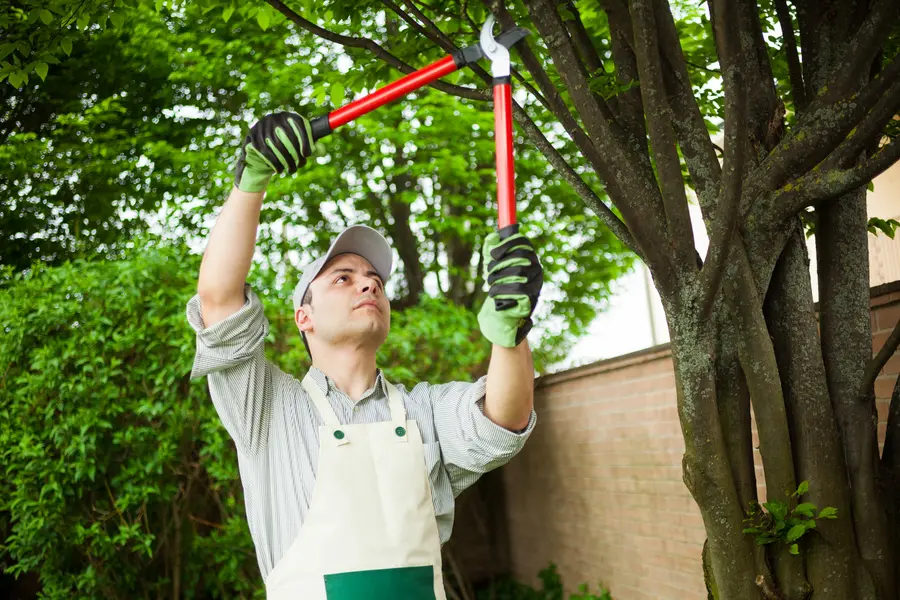
Good tree pruning helps a tree grow in a safe and healthy way. Bad cuts can do the opposite. They can slow growth, invite pests, and leave weak spots that break later. A small mistake today can turn into dead limbs, poor shape, or costly storm damage later on. Prevention matters because a tree takes years to recover from the wrong cut, and some trees never fully bounce back.
Early Warning Signs
You can often spot poor pruning before major damage shows up. Watch for branches cut flat against the trunk, long stubs left behind, or too many bare limbs in one area. A tree may also show stress with thin leaves, dead tips, sunburn on exposed bark, or new shoots growing fast from random spots. These signs often mean the tree was trimmed too hard or in the wrong way. This can affect shade trees, young ornamentals, and other parts of the service category just as much as larger mature trees.
Seasonal or Routine Checklist
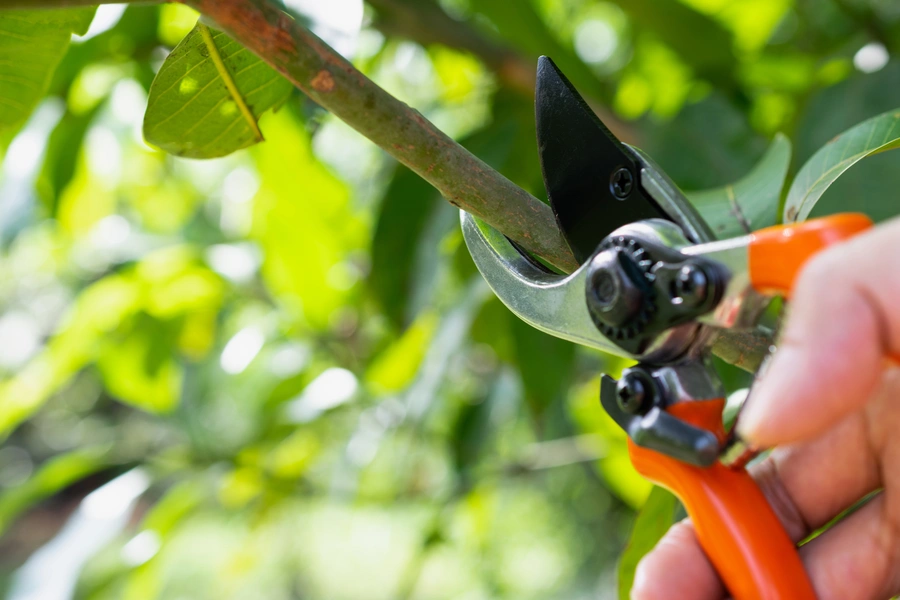
Before doing any tree pruning, it helps to follow a simple routine. A little planning can stop many common errors.
- Check the tree’s type and age before making any cuts.
- Look for dead, broken, or rubbing branches first.
- Use clean, sharp tools for smooth cuts.
- Cut just outside the branch collar, not flush to the trunk.
- Remove only a small portion of the canopy at one time.
- Avoid pruning during extreme heat or active disease periods.
- Step back often and check the tree’s shape as you work.
This checklist helps keep cuts clean and balanced. It also lowers the chance of stress and weak regrowth.
Best Practices for Long-Term Results
The best tree pruning work is slow and careful. Start with a clear goal. You may want more clearance over a driveway, better branch spacing, or removal of storm-damaged limbs. Focus on that goal instead of cutting anything that looks messy. Trees need leaves to make food, so taking too much green growth at once can hurt them.
It also helps to respect the tree’s natural shape. For example, a large shade tree should not be forced into a tight round form. A flowering tree should not be stripped so heavily that it loses its balance. Long-term results come from small, smart cuts made over time. If a tree needs major structure work, spreading the job over more than one season is often safer.
What Not to Do
Most pruning mistakes fall into a few common patterns. Knowing these can help you avoid damage before it starts.
- Do not top a tree by cutting main branches back harshly.
- Do not leave long stubs that cannot heal well.
- Do not cut flush against the trunk and remove the branch collar.
- Do not prune too much at one time.
- Do not use dull or dirty tools.
- Do not prune without checking for weak branch unions or decay.
- Do not climb high trees without proper safety gear.
Topping is one of the worst mistakes. It causes fast, weak shoots that break easily. Flush cuts are also harmful because they damage the tree’s natural healing area. Another common issue is pruning at the wrong season. Some trees do fine in dormant months, while others may bleed sap or become more open to insects and disease if cut at the wrong time.
People also make the mistake of trimming for speed instead of health. They may cut every low branch in one day or over-thin the center to let in more light. That often leads to stress, poor branch balance, and bark damage from too much sun. Good results come from patience, not aggressive cutting.
When to Schedule Professional Help
Some tree pruning jobs are not safe for a homeowner. If branches are near power lines, hanging over a roof, cracked after a storm, or located high in a mature tree, it is smarter to call a trained crew. Professional help is also a good idea when a tree has signs of rot, hollow areas, large split limbs, or odd leaning. These problems can be hard to judge from the ground.
You may also want expert help if you are trying to fix years of poor pruning. Corrective work takes planning. Cutting the wrong limb can make the shape worse or create a hazard. A trained team can spot which branches should go now and which should stay for future structure. That kind of staged care often leads to better health and a stronger tree over time.
Get Help Before Small Pruning Mistakes Grow Into Bigger Problems
If you are dealing with overgrown, damaged, or poorly shaped trees in Columbus, OH, we can help you make a safe plan. At Ortiz Tree Services LLC, we focus on practical care that supports long-term tree health. Call us at (614) 603-4646 if you want us to take a look and talk through the next steps.