A Fast Way to Reduce Branch Spread and Lower Short-Term Risk
Tree topping can help manage overgrown branches by cutting back long, heavy limbs that have grown too far or too fast. This can lower weight, reduce reach over roofs or driveways, and make a tree look more controlled for a short time. Still, it is not the right fix for every tree. In many cases, careful pruning and other tree care steps are safer for the tree and better for long-term health.
Quick Answer
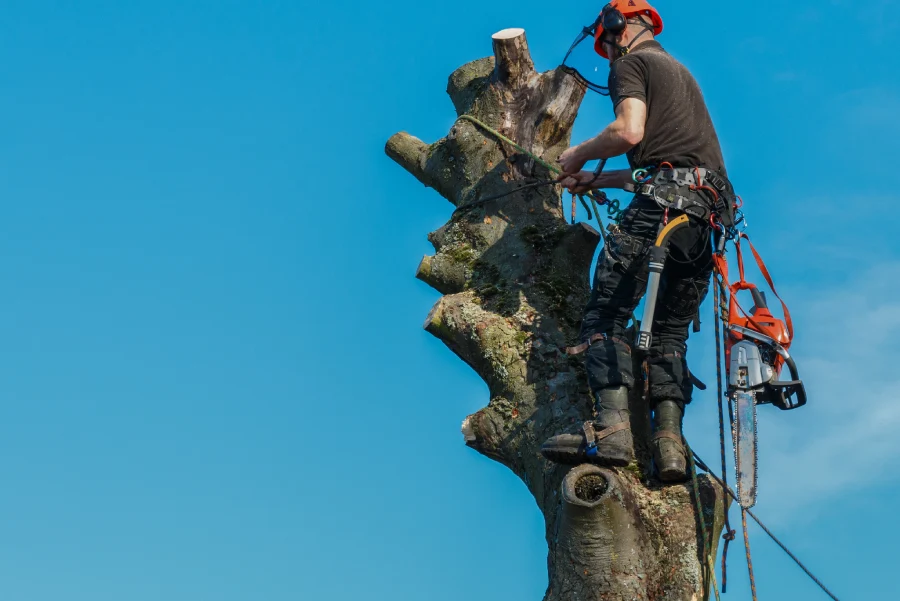
When branches get too long, too dense, or too close to a home, tree topping may seem like a simple answer. It cuts the upper part of the canopy to reduce height and spread. That can help with branches rubbing a roof, blocking views, or hanging over power lines or walkways. But topping also puts stress on a tree, so it should only be used in limited cases and with a clear plan.
What You Need Before Starting
Before any cutting begins, it helps to look at the tree’s size, species, age, and health. Some trees handle hard cuts very poorly. Others may push out weak new shoots after topping, which can lead to even more overgrown limbs later. You also need to check where the branches fall, what targets sit below them, and whether the work needs permits in Columbus, OH. Good planning matters more than speed.
You should also know the goal. Are you trying to clear space above a structure? Do you want less shade over a garden? Is the problem one long side limb, not the whole top? In many cases, standard pruning from a skilled crew can solve the issue without full topping. Basic service planning helps avoid cuts that create bigger problems later.
Step-by-Step Process
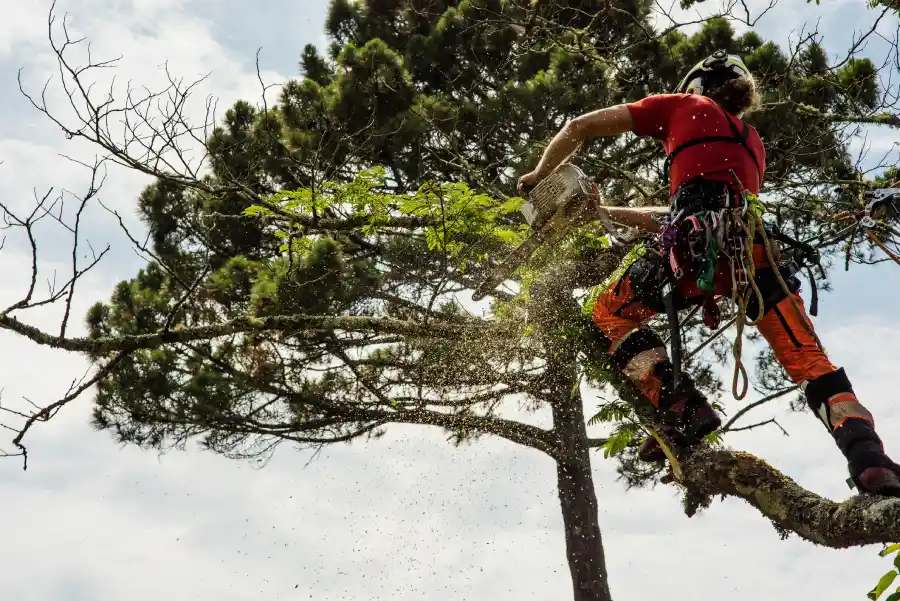
If tree topping is being used, the work should follow a careful process, not random cuts. A rushed job can leave torn limbs, weak regrowth, and a tree that looks harsh and uneven.
- Inspect the tree from the ground and note problem limbs.
- Find hazards such as wires, fences, roofs, and parked cars.
- Decide how much height or spread needs to be reduced.
- Choose cut points that limit damage as much as possible.
- Remove weight in stages so limbs do not split.
- Clean up broken or hanging branches after the main cuts.
- Plan follow-up pruning to manage fast new growth.
This process helps control overgrown branches in a more organized way. It also lowers the chance of large limbs dropping without warning during the work.
Common Mistakes to Avoid
One common mistake is topping too much of the canopy at one time. When too many leaves are removed, the tree loses a big part of its food source. That can weaken roots and trigger many thin shoots near each cut. Those shoots grow fast, but they are often weakly attached and can break in wind or storms.
Another mistake is using topping when selective pruning would do the job better. If only one side is overgrown, cutting the whole top may be more damage than needed. Poor cut placement is also a problem. Flat stubs left behind do not heal well and can lead to decay. Homeowners sometimes try to fix branch spread with a ladder and a saw, but large overhead cuts are risky and hard to control.
- Do not remove more of the canopy than needed.
- Do not leave long stubs when branches are cut.
- Do not top a tree just to make it smaller forever.
- Do not ignore follow-up care after new shoots appear.
- Do not work near utility lines without trained help.
When to Call a Professional
You should call a professional when branches are high off the ground, near structures, or close to wires. The same goes for large shade trees, older trees, and any tree with cracks, hollow spots, or signs of disease. A trained crew can tell whether tree topping is the best short-term fix or whether crown reduction, thinning, or structural pruning would be a better path.
Professional help also matters when a tree has been topped before. Old topping cuts often lead to clusters of fast regrowth. Those shoots may look full, but they can become heavy and unstable. A crew can thin or reduce that regrowth in a safer way. If a storm just damaged the tree, expert care is even more useful because hidden splits are easy to miss from the ground.
Final Recommendation
If overgrown branches are creating a clear safety or clearance issue, tree topping may help manage the problem for a limited time. It can reduce branch length and make space around a home, driveway, or yard. Still, it is usually best seen as a last-resort option, not routine care. In many cases, smart pruning gives better shape, stronger structure, and fewer future problems.
Get Help With the Next Step
For property owners in Columbus, OH, we can look at the tree and explain whether topping, pruning, or another fix makes the most sense. We take time to keep safety and tree health in focus. Contact Ortiz Tree Services LLC to talk through the problem and set up a visit. Call us at (614) 603-4646 if you want help with overgrown branches or a full yard plan.