Simple Care That Helps Trees Stay Strong and Lowers Risk
Tree trimming helps trees grow in a better shape, removes weak or dead limbs, and lowers the chance of falling branches. It also lets in more light and air, which can help the tree stay healthier over time. In many yards, regular care can stop small branch problems from turning into safety problems.
Why Prevention Matters
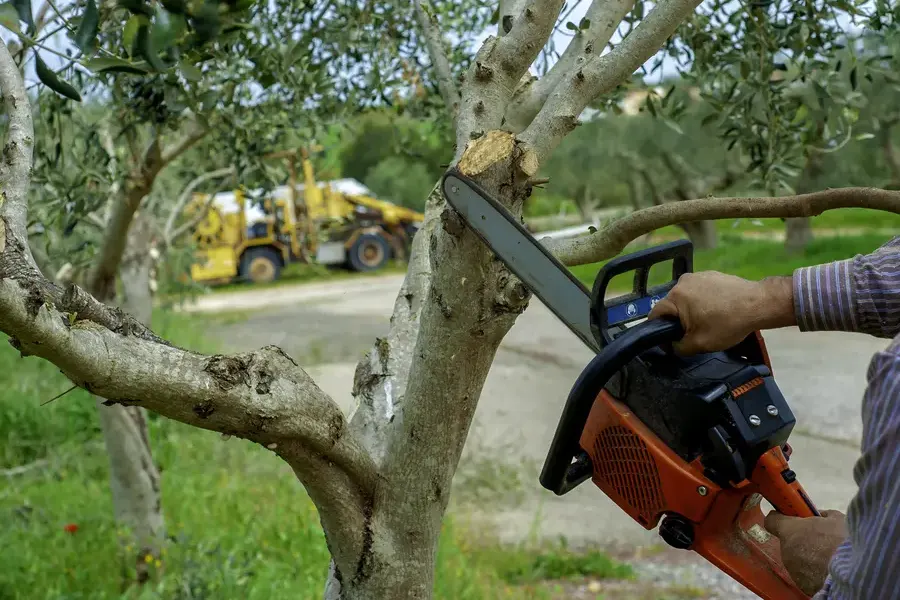
trees need routine care just like roofs, fences, and lawns. When branches rub, crack, or grow too close to a home, they can cause damage during wind or storms. trimming can also help a tree keep a balanced shape. That balance matters because a heavy side can put stress on the trunk. This kind of work is part of good tree trimming and basic tree care in many neighborhoods.
Early Warning Signs
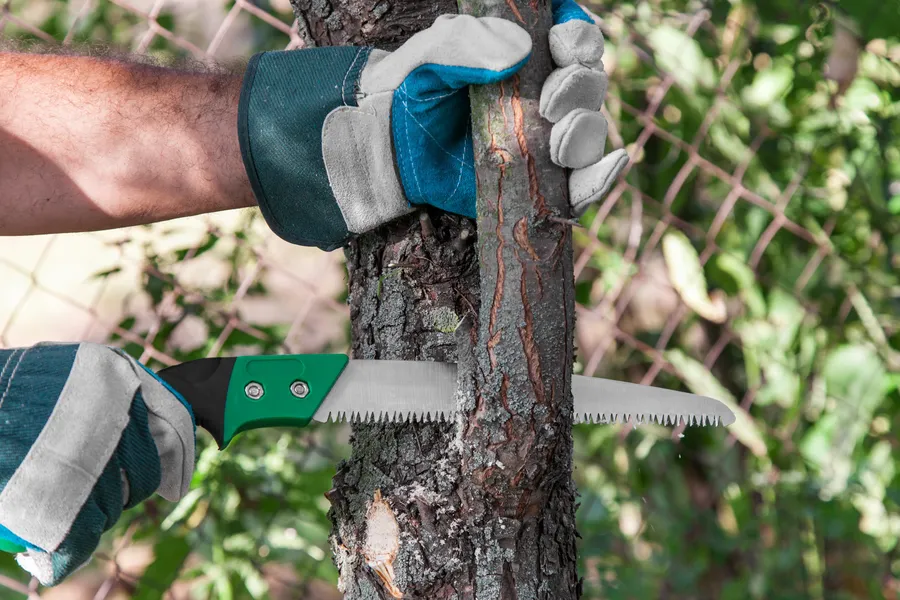
Many trees show signs when they need attention. The sooner you spot them, the easier the job may be. Dead limbs are one of the most common signs. Branches with no leaves during the growing season can also point to a problem. Low limbs over driveways, walks, or play areas can become a safety risk fast.
- dead or hanging branches
- limbs touching the roof or siding
- branches crossing and rubbing together
- thick growth blocking light or airflow
- cracks where a branch joins the trunk
- limbs growing near power lines
If a tree has one or more of these signs, it may be time to plan trimming before bad weather adds more stress.
Seasonal or Routine Checklist
A simple schedule can help you stay ahead of trouble. You do not need to cut branches every month, but you should check trees often. Different seasons can bring different needs. Winter can make branch shape easier to see. Spring and summer can show where growth is too dense. After storms, a quick check is always smart.
- walk around the tree and look up from all sides
- check for dead, split, or hanging limbs
- look for branches near the house, fence, or wires
- watch for limbs that cross and scrape each other
- remove small weak growth if it is safe to reach
- clean up fallen limbs so pests do not gather
- plan bigger pruning work during the right season
This routine can help catch small issues before they grow into larger ones.
Best Practices for Long-Term Results
Good trimming is not about cutting as much as possible. It is about making smart cuts in the right spots. Removing too much at once can stress a tree. Clean cuts made near the branch collar often help the tree seal the wound better. Keeping a natural shape is also a good goal. A tree that looks badly cut may grow back with weak, fast shoots that break more easily later.
It also helps to think about the tree’s age and type. Young trees often need shape training so they grow with strong structure. Older trees may need weight reduced on long limbs or dead wood removed. Spacing out care over time usually works better than heavy cutting in one visit.
What Not to Do
Some trimming habits can hurt more than help. Topping is one of the biggest mistakes. That means cutting off large branch ends or the top of the tree without care for structure. This can leave the tree weak, stressed, and open to decay. Another mistake is making flush cuts against the trunk. That can slow healing and leave a larger wound.
You should also avoid climbing with no safety gear or using tools you cannot control well. A ladder on uneven ground near branches is risky. It is also not safe to work near power lines. Even small branches in that area can create danger. Fast work is not always good work with tree trimming.
When to Schedule Professional Help
Some jobs are too large or risky for a homeowner. If the tree is very tall, has storm damage, or has limbs over a roof, it may be time to bring in a trained crew. The same goes for branches near lines, large cracked limbs, or signs of disease in the trunk or roots. A professional can spot problems that are easy to miss from the ground.
It can also help to get expert care when a tree has not been trimmed in many years. Dense canopies, heavy end weight, and poor branch angles often need a careful plan. Proper cuts can improve safety and help the tree recover in a healthy way.
Final Recommendation
If you want safer limbs and healthier growth in Columbus, OH, we can help you plan the right tree trimming at the right time. Contact Ortiz Tree Services LLC to talk with us about your trees and your goals. Call (614) 603-4646 and let us set up a visit that works for your schedule.