Simple Pruning Steps Can Help Trees Handle Strong Wind and Heavy Rain
Tree trimming can help lower the risk of broken limbs, split trunks, and damage to roofs, cars, and power lines during storms. By removing weak, dead, or crowded branches, a tree can move better in wind and carry less weight during heavy rain. In places like Columbus, OH, this kind of care can make a big difference before storm season starts.
Why Prevention Matters
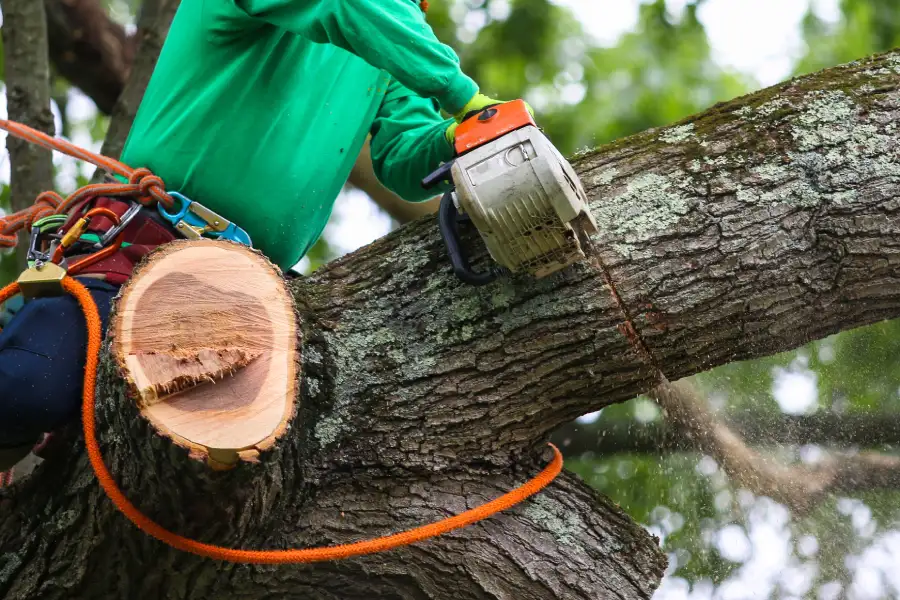
Storms put a lot of stress on trees. Long, heavy limbs can snap when wind pushes them. Dead branches can fall with little warning. Branches that rub against each other can crack over time. If a tree has poor shape, the whole canopy may catch more wind than it should. tree trimming helps fix many of these problems before bad weather arrives. This is a key part of regular property care and the broader service category.
Many people wait until after a storm to think about pruning. By then, damage may already be done. A broken limb can tear off bark, split the trunk, or hit a structure. Preventive work is often safer and more effective because the tree is stable, the ground is dry, and the crew can see the canopy more clearly.
Early Warning Signs
You do not need to be an expert to spot signs that a tree may need attention. A quick walk around your yard can show trouble areas. Focus on branch condition, tree shape, and how close limbs are to your house or driveway.
- dead branches with no leaves in growing season
- cracks where large limbs join the trunk
- branches hanging over the roof
- limbs touching power lines or brushing the house
- one side of the tree much heavier than the other
- branches crossing and rubbing together
- old storm damage that never healed well
If you see one or more of these signs, tree trimming may help reduce the chance of storm-related damage.
Seasonal or Routine Checklist
A simple routine can help you stay ahead of problems. Late winter and early spring are common times for pruning many trees, though timing depends on species and local weather. Light checks can happen all year.
- walk the property and look up at the canopy
- check for dead, broken, or hanging limbs
- look for branches growing toward the roof or windows
- spot tight branch unions that may split in wind
- remove small weak growth before it gets too large
- clear limbs away from driveways and walkways
- schedule a professional inspection for large trees
Routine trimming is usually better than removing a lot at once. Small cuts at the right time often lead to healthier growth and less stress on the tree.
Best Practices for Long-Term Results
Good pruning is not just about cutting branches. It is about shaping the tree so it grows stronger over time. That means keeping a balanced canopy, reducing weak branch structure, and removing weight from limbs that stretch too far.
One helpful method is thinning. This removes select branches so wind can pass through the canopy more easily. Another method is reduction. This shortens overextended limbs back to a strong branch. Raising the canopy can also help by removing low branches over streets, walks, and driveways. Each cut should have a reason. Random cutting can lead to weak regrowth and more risk later.
Young trees also benefit from early care. If a tree is trained while small, it can develop a stronger main structure. That often means fewer storm problems in future years. Mature trees need a different approach. Heavy limbs and old wounds call for more careful planning.
What Not to Do
Some trimming methods make trees less safe, not more safe. The biggest mistake is topping. Topping means cutting off the upper part of the canopy with no care for branch structure. This leaves large wounds and often leads to weak shoots that break easily in storms.
Another mistake is removing too much at once. A tree needs leaves to make food. If too much is cut, the tree can become stressed and grow back in a poor way. Cutting branches flush against the trunk is also a problem because it can slow healing. Using dull tools or making rough cuts can open the door to decay.
It is also risky to work near utility lines or climb tall trees without the right gear. Storm prevention should not create a new safety problem.
When to Schedule Professional Help
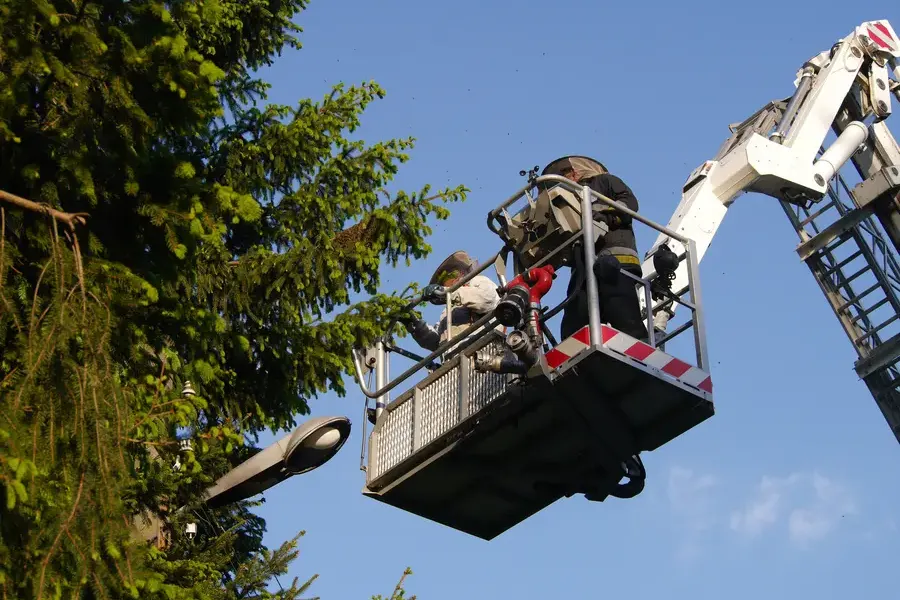
Some jobs are too big or too risky for a homeowner. If the tree is tall, close to a structure, or already damaged, it is smart to call a trained crew. A professional can spot weak branch angles, hidden decay, and weight distribution problems that are easy to miss from the ground.
You should get help if:
- large limbs hang over your home
- the tree is near power lines
- you see cracks in major limbs or the trunk
- a past storm left split or hanging branches
- the tree has never been pruned and is badly overgrown
- you are not sure which branches are safe to remove
Professional tree trimming can also help if you want a long-term care plan. Instead of reacting after every storm, you can set a schedule that keeps the canopy stronger year after year.
Get Help Before the Next Storm
if you want to lower storm risk around your property in Columbus, OH, contact us for guidance. Ortiz Tree Services LLC can inspect your trees and help plan safe tree trimming that fits their condition and size. Call us at (614) 603-4646 to set up a visit and let our team help protect your home before rough weather moves in.