Why People Do It and When It Can Go Wrong
Tree topping is the cutting back of large upper branches to reduce a tree’s height or spread. People usually ask about it when a tree feels too big, too close to a roof, or too risky in a storm. The purpose behind tree topping is often simple: make a tree smaller fast. But that does not always mean it is the best choice. In many cases, topping can stress the tree and lead to weak new growth later.
Quick Answer
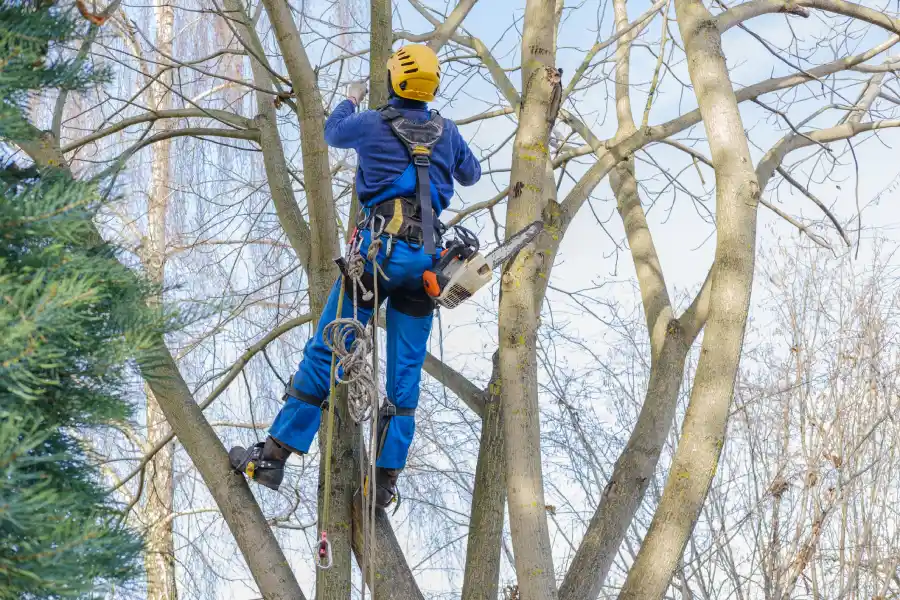
The main reason people choose tree topping is to control size. It can seem like a fast fix for shade, overgrowth, blocked views, or branches near a home. Still, this type of tree topping often removes a lot of healthy growth at once. That can leave the tree open to decay, sun damage, and poor regrowth. A better plan may be selective pruning through a tree service, where cuts are made with the tree’s shape and health in mind.
What You Need Before Starting
Before anyone cuts into a large tree, a few things should be clear. First, know why the tree feels like a problem. Is it too tall? Are limbs touching the roof? Is one side dead or damaged? Next, identify the tree if possible. Some species handle hard cuts badly. Others may survive but grow back in a weak way. It also helps to check the area below the tree for power lines, fences, sheds, cars, and walkways.
You should also know the age and condition of the tree. A young tree may recover differently than an old one. A tree that already has rot, cracks, or root trouble may become less safe after topping. If the goal is safety, that detail matters a lot.
Step-by-Step Process
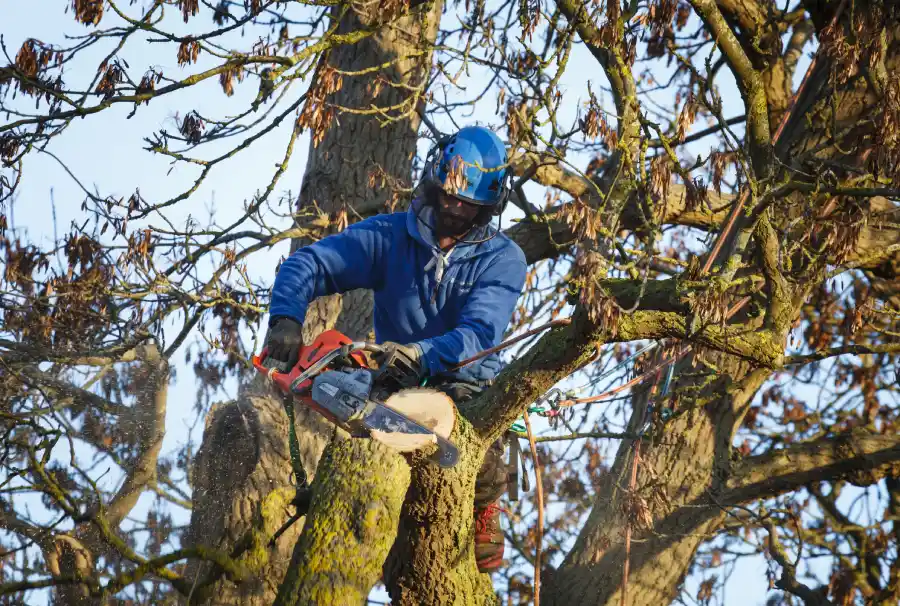
If someone is trying to understand how tree topping is done, this is the basic process. That does not mean it is the right choice for every tree, but this explains what usually happens.
- Inspect the tree from the ground and look for dead, split, or leaning limbs.
- Mark the height or spread the owner wants reduced.
- Choose the upper branches that will be cut back.
- Make large cuts across major limbs or the main top section.
- Clear fallen wood and review the tree’s new shape.
- Watch for new shoots over the next growing season.
After topping, many trees respond by sending out fast new shoots near the cuts. These shoots often grow in clusters. They may look full at first, but they can be weakly attached. That means they may break more easily in wind or heavy rain.
Common Mistakes to Avoid
A common mistake is assuming that a topped tree will stay small for good. In fact, it may grow back even faster. Another mistake is cutting too much at one time. Removing a large part of the canopy can leave the tree under stress. Some people also top a tree to fix safety problems when the real issue is decay, root damage, or poor branch structure.
- Do not cut without checking for power lines.
- Do not remove large sections just to get a quick view.
- Do not treat all tree types the same way.
- Do not assume new growth will be strong.
- Do not ignore signs of disease or trunk damage.
Another problem is poor cut placement. Random cuts can leave stubs that do not heal well. Those spots may invite insects or decay. If the tree is near a home, that can turn a size problem into a safety problem.
When Tree Topping May Seem Useful
There are times when people ask for topping for reasons that make sense on the surface. A tree may block solar panels, scrape a roof, crowd a driveway, or create fear during storm season. In a tight yard, the tree may simply feel too large for the space. Those concerns are real. The question is whether topping solves them in a lasting way.
Sometimes a better choice is crown reduction, structural pruning, or branch removal in key spots. These methods aim to lower risk while keeping a more natural shape. They can also help the tree heal better after cuts. That is why the purpose of tree topping should always be weighed against the long-term results.
When to Call a Professional
Professional help is smart when the tree is tall, close to structures, or already in poor condition. It is also a good idea when large limbs hang over places where people walk or park. A trained crew can tell whether topping is being requested for the wrong reason. They can also spot signs that the tree needs a different plan, such as pruning, support, or removal.
Here are a few times expert help matters most:
- The tree is near utility lines.
- The trunk has cracks, cavities, or mushrooms.
- The tree leans after storms.
- Large limbs are over a roof or play area.
- The tree species reacts badly to severe cuts.
Getting advice before cutting can save money, time, and risk later. It can also help protect a healthy tree from damage that is hard to reverse.
Final Recommendation
In Columbus, OH, tree size and storm concerns can make fast trimming seem like the answer. At Ortiz Tree Services LLC, we help property owners sort through safe options and choose what fits the tree’s condition best. If you want clear advice about tree topping or better pruning options, call us at (614) 603-4646 and let us help you make a sound choice for your yard.